Understanding Heating Equipment: Types, Applications, and Considerations
Heating equipment plays an important function in maintaining comfy living and workplace. Whether in property or commercial settings, efficient heater are necessary for health, comfort, and performance. This short article explores various types of heating equipment, their applications, and essential factors to consider for picking the best heating unit for particular requirements.
Types of Heating Equipment
Heating equipment can be broadly classified into various classifications based on fuel type, heating approach, and application. Below are the most common types:
| Type of Heating Equipment | Description | Typical Applications |
|---|---|---|
| Heating systems | A combustion heater that heats air and distributes it via ducts. | Residential homes, commercial structures. |
| Boilers | Warms water to produce steam or hot water for heating space or offering hot water. | Radiant heat, commercial procedures. |
| Heat Pumps | Transfers heat from the air, ground, or water, using electrical energy to facilitate heating & cooling. | Residential homes, zoning systems. |
| Radiant Heaters | Heats objects directly without heating the air in between, frequently through electric coils or hot water. | Homes, fitness centers, workshops. |
| Space Heaters | Portable heaters that supply direct heat to a little location. | Homes, garages, workshops. |
| Water Heaters | Heats water for domestic uses, can be tankless or storage types. | Residential bathrooms, kitchen areas. |
1. Furnaces
Heaters are one of the most typical heating systems, particularly in cooler climates. They can be powered by different fuels, including natural gas, propane, oil, or electrical energy. This equipment operates by heating air and dispersing it through ductwork.
Advantages of Furnaces:
- Efficient heating across big areas.
- Can be incorporated with air conditioning systems for year-round climate control.
2. Boilers
Boilers are considerable for heating water and producing steam for main heater. Unlike furnaces, which heat air, boilers circulate warm water or steam through pipelines to radiators or underfloor heater.
Benefits of Boilers:
- Provide even heat distribution and keep humidity levels.
- Can utilize sustainable energy sources, such as wood pellets or solar energy.
3. Heat Pumps
Heat pumps, frequently thought about flexible, can effectively heat and cool spaces. Outdoor Gas Heaters work by extracting heat from outdoors sources (even in cold weather condition) and transferring it indoors.
Benefits of Heat Pumps:
- Energy efficient and can result in lower energy bills.
- Eco-friendly as they utilize renewable resource.
4. Radiant Heaters
Radiant heat systems are created to heat objects straight without warming the surrounding air. This technique is often more efficient, as it reduces heat loss.
Advantages of Radiant Heaters:
- Offer focused heating for targeted areas.
- Enhance comfort by maintaining more constant temperatures.
5. Space Heaters
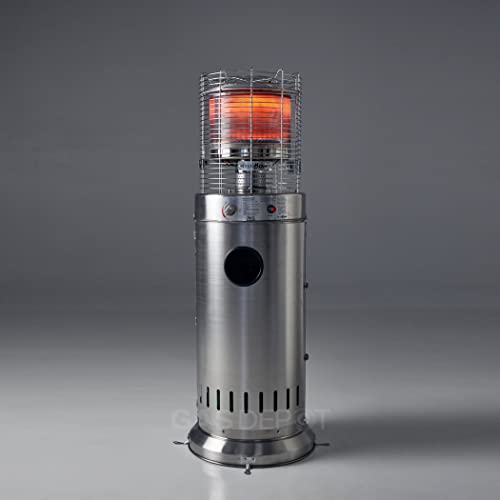
Space heaters are portable systems that offer extra heat in localized locations. Outdoor Heaters can be electrical, propane-fed, or kerosene-based.
Advantages of Space Heaters:
- Cost-effective for heating small spaces.
- Flexibility to move as required for comfort.
6. Hot water heater
Water heaters are vital for offering hot water for domestic usage, including bathing, cooking, and cleaning. They come in numerous types, including tankless, solar, and conventional tank-style heaters.
Advantages of Water Heaters:
- Essential for daily health and family convenience.
- Energy-efficient options available.
Secret Considerations When Choosing Heating Equipment
Selecting the best heating equipment is critical for efficiency and comfort. Here are some essential factors to consider to bear in mind:
- Energy Source: Assess the availability and expense of various fuel sources in your location. Gas tends to be more efficient, while electric units may provide convenience.
- Size Requirements: Select a system sized properly for your space. Small units may have a hard time to heat adequately, while extra-large designs can cause inefficient heating and higher energy costs.
- Energy Efficiency: Look for equipment with high energy effectiveness rankings. Gadgets with ENERGY STAR labels can aid with cost savings and ecological conservation.
- Setup and Maintenance Costs: Consider both upfront purchase expenses and long-lasting maintenance expenses. Some systems may have greater preliminary expenses however lower functional costs.
- Environmental Impact: Evaluate options that lessen carbon emissions and reduce overall environmental footprints, such as solar hot water heater or heatpump.
Often Asked Questions (FAQs)
What is the most efficient type of heating equipment?
The effectiveness can vary, however heat pumps are usually considered extremely efficient, particularly in milder environments. They can supply considerable energy savings compared to standard heating methods.
How frequently should heating equipment be serviced?
Generally, it is advised to service heating systems a minimum of once a year. Routine maintenance guarantees efficient operation, longevity, and security.
How can I enhance the efficiency of my heating system?
- Frequently modification or tidy filters.
- Seal leaks in ducts and windows.
- Use programmable thermostats to control temperature levels efficiently.
Exist environmentally friendly heating options available?
Yes, options such as solar water heaters, biomass boilers, and geothermal heatpump supply ecologically friendly heating solutions that use eco-friendly resources.
What size heating system do I need for my home?
The size will depend upon numerous factors, including the home's square footage, insulation quality, and regional environment. An HVAC expert can perform a load calculation to determine appropriate sizing.
Heating equipment is a vital aspect of building convenience and efficiency. With numerous options offered, understanding the types and their applications is necessary for making informed choices. By considering energy sources, equipment sizing, efficiency, and environmental impacts, house owners and businesses can ensure their heater fulfill their requirements successfully.
In conclusion, the very best heating solution often includes stabilizing preliminary costs, operational performance, and environmental considerations-- guaranteeing a warm and comfy living environment for many years to come.